
Japanese ashtray aesthetics transcend mere functional objects, becoming microcosms of a rich cultural heritage. From the delicate artistry of ceramic forms to the symbolic weight of traditional motifs, these objects offer a captivating glimpse into Japanese design philosophy. Their beauty lies not just in their appearance, but also in the stories they subtly tell.
This exploration delves into the core principles of Japanese aesthetics, tracing their evolution through time. We’ll examine the materials, craftsmanship, and symbolism woven into these fascinating objects. The analysis will cover a range of topics, including different types of ashtrays, design elements, and their cultural significance. The discussion will conclude with a look at how Japanese ashtray aesthetics continue to inspire contemporary design.
Defining Japanese Ashtray Aesthetics
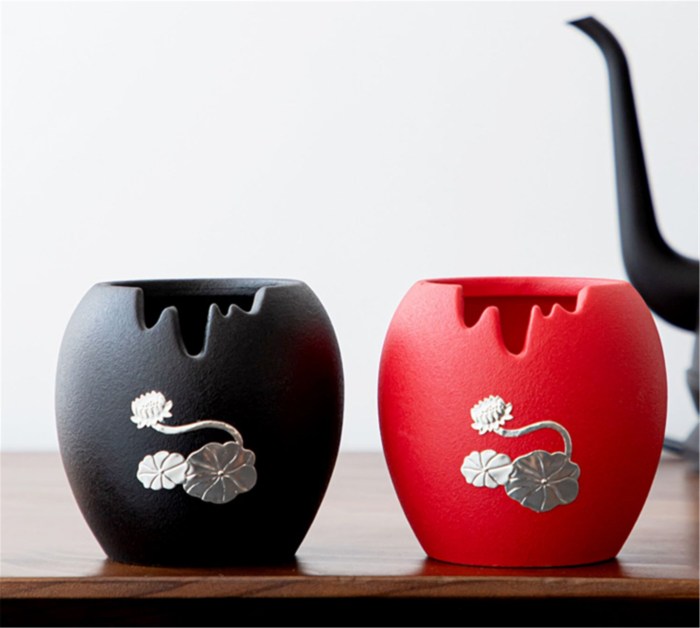
Japanese ashtrays, like other Japanese design objects, reflect a deep-seated cultural appreciation for beauty, simplicity, and the natural world. This aesthetic, often referred to as侘び寂び (wabi-sabi)*, transcends mere practicality, imbuing everyday objects with a sense of profound elegance and enduring appeal. Beyond the aesthetic, the cultural history and craftsmanship behind these objects reveal a profound connection to the environment and a rich artistic tradition.Japanese aesthetics, deeply rooted in the country’s history and philosophy, emphasize harmony with nature, the acceptance of impermanence, and the beauty found in simplicity and imperfection.
This concept ofwabi-sabi* permeates Japanese art, design, and daily life. Ashtrays, though seemingly mundane, participate in this tradition, reflecting the cultural values and artistic principles that shape the broader Japanese aesthetic.
Core Principles of Japanese Aesthetics
The aesthetic principles of Japanese art and design are deeply interwoven with the country’s philosophical and cultural traditions. The concept ofwabi-sabi*, for instance, embraces the beauty of imperfection, impermanence, and natural asymmetry. It emphasizes the appreciation of natural textures, subtle tones, and the quiet beauty found in everyday objects. These principles are not merely decorative elements but reflect a worldview that values the transient and the imperfect.
Cultural Influences and Historical Contexts
The aesthetics of Japanese ashtrays are shaped by centuries of cultural influences and historical contexts. The tea ceremony, with its emphasis on simplicity and mindful appreciation of the present moment, deeply impacted the aesthetic of Japanese design. The rise of Zen Buddhism, with its focus on meditation and the contemplation of natural beauty, further reinforced the importance of simplicity and minimalism in Japanese design.
These historical and cultural influences profoundly shaped the way Japanese artisans approached the creation of ashtrays, imbuing them with a sense of tranquility and refinement.
Materials and Techniques
Japanese ashtrays frequently utilize materials found in nature, reflecting a deep respect for the environment. Ceramics, often glazed in muted colors or showcasing natural wood grain patterns, are common. Wood, in its various forms, including cherry wood or bamboo, is also frequently used. Traditional techniques, such as hand-building, firing, and lacquering, are often employed to create unique textures and finishes.
The craftsmanship of these materials is a testament to the meticulous attention to detail that characterizes Japanese artistry. Examples include the intricate carvings on some wooden ashtrays, the subtle variations in color and texture of ceramic pieces, and the delicate lacquering of certain designs.
Symbolism and Imagery
Japanese ashtrays may incorporate symbolic imagery drawn from nature or traditional Japanese art forms. Flowers, leaves, or stylized landscapes might be depicted, often conveying a sense of serenity and harmony. The use of these motifs reinforces the connection between the ashtray and the broader aesthetic principles of Japanese design. Geometric patterns and abstract designs are also frequently incorporated, reflecting the appreciation for the beauty found in simplicity.
These motifs add layers of meaning and visual interest to the object.
Minimalism, Simplicity, and Natural Forms
Minimalism, simplicity, and natural forms are integral to Japanese ashtray design. These elements embody the principles ofwabi-sabi*, emphasizing the inherent beauty of unadorned simplicity. The design often avoids excessive ornamentation, instead focusing on the inherent beauty of the materials and the form itself. This approach to design values the quiet elegance and profound meaning found in natural forms, from the smooth contours of a river stone to the delicate curves of a bamboo shoot.
These elements, taken together, evoke a sense of tranquility and profound connection to the natural world.
Types of Japanese Ashtrays
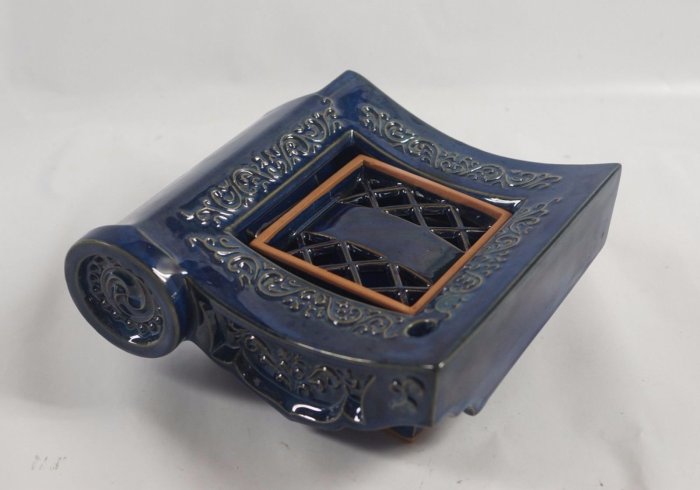
Japanese ashtrays, reflecting the nation’s rich artistic traditions, span a diverse range of materials and styles. From the delicate artistry of ceramic to the robust simplicity of metal, each type tells a story of its time and the aesthetic values prevalent within Japanese culture. The evolution of these objects mirrors broader cultural shifts, highlighting the interplay between tradition and modernity.The varying forms, sizes, and decorative elements of Japanese ashtrays showcase a nuanced understanding of aesthetics, craftsmanship, and the cultural significance of everyday objects.
This exploration delves into the different types of Japanese ashtrays, examining their materials, design features, and historical context to reveal the rich tapestry of artistic expression that these seemingly simple objects embody.
Materials and Design Features
Japanese ashtrays are crafted from a variety of materials, each with its own aesthetic implications. The choice of material often dictated the design possibilities and the intended function of the object. Understanding these choices provides insight into the cultural values and artistic sensibilities of the time.
| Material | Typical Design Features | Historical Context |
|---|---|---|
| Ceramic | Often featuring intricate patterns, motifs, and glazing techniques reflecting the traditions of Japanese pottery. Shapes can range from simple bowls to elaborate, stylized forms. | Ceramic production in Japan has a long history, dating back centuries. Ashtrays often mirrored the decorative motifs of contemporary ceramics, highlighting the aesthetic sensibilities of the era. |
| Wood | Employing natural wood grain and textures, often incorporating inlaid designs or carvings. Shapes vary from simple boxes to elaborate, sculpted pieces. | Wood has been a prevalent material in Japanese craftsmanship. Ashtrays made of wood frequently incorporated traditional Japanese woodcarving techniques or were fashioned from rare or beautifully grained woods, reflecting the status and taste of the owner. |
| Metal | Metal ashtrays, particularly those of brass or bronze, often exhibit polished surfaces, intricate engravings, or hammered textures. Shapes could be simple or elaborate, reflecting the skill of the metalworker. | Metalworking traditions in Japan have a long history. Metal ashtrays, especially those from the Meiji or Taisho periods, might have been influenced by Western design trends, but often maintained a Japanese aesthetic in their motifs or craftsmanship. |
Variations in Shape, Size, and Ornamentation
The shapes and sizes of Japanese ashtrays vary considerably, mirroring the diversity of functions and intended contexts. Ornamentation also differs significantly, reflecting the artistic and cultural trends of the period.
- Shape: Ashtrays can be simple bowls, elongated boxes, or elaborate, sculpted forms. The shape often dictated the ashtray’s intended use and placement within a room. For example, a simple bowl might be suited for a casual setting, while a more elaborate piece might be part of a larger decorative ensemble.
- Size: Ashtray size ranged from compact, personal pieces to larger, more communal ones, designed to accommodate the needs of multiple smokers. Size was a key consideration in determining the overall aesthetic and placement within a home or establishment.
- Ornamentation: Decorative elements on Japanese ashtrays ranged from simple painted patterns to intricate carvings, engravings, or inlaid designs. These decorative motifs often drew inspiration from nature, including flowers, animals, or landscapes, and reflected the cultural and artistic preferences of the time.
Traditional and Contemporary Designs
Traditional Japanese ashtrays often featured stylized floral motifs, landscapes, or depictions of animals. These designs, rooted in Japanese aesthetics and symbolism, communicated the owner’s taste and appreciation for traditional art. Contemporary designs might incorporate more abstract forms or incorporate Western design elements, while still maintaining a Japanese aesthetic through the use of color, material, or subtle motifs.
Comparison of Aesthetics Across Eras
Comparing Japanese ashtrays across different eras reveals a clear evolution in aesthetics. Early ashtrays often emphasized simplicity and functionality, reflecting a focus on practical applications. Later pieces, especially those from the Meiji and Taisho periods, might incorporate Western influences while maintaining a Japanese sensibility. The use of color, material, and ornamentation varied greatly across these eras, mirroring the cultural shifts and artistic trends of the time.
Design Elements in Japanese Ashtrays
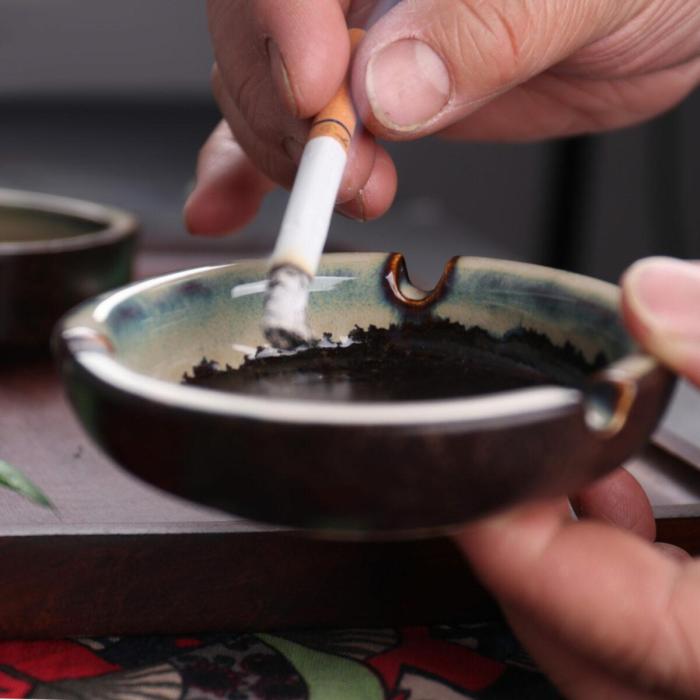
Japanese ashtrays, often imbued with centuries-old artistry, transcend mere functional objects. They become miniature expressions of Japanese aesthetics, reflecting profound cultural values and artistic sensibilities. Beyond their practical purpose, these pieces serve as silent narratives, telling stories of tradition, nature, and the pursuit of beauty.The design of Japanese ashtrays is deeply rooted in the philosophy of “侘び寂び” (wabi-sabi), which embraces the beauty of imperfection, impermanence, and natural simplicity.
This philosophy manifests in the deliberate choices of materials, colors, and patterns, creating objects that are both elegant and understated.
Color Palettes and Symbolic Meanings
Japanese color palettes in ashtrays often evoke a sense of serenity and harmony. Muted tones, such as subtle greens, blues, and browns, are frequently used to represent nature’s tranquil hues. The use of black, often associated with elegance and sophistication, can be found in designs that aim to create a sense of calm and composure. In contrast, the occasional use of vibrant colors, like cherry blossoms or a bold gold, can bring a touch of joy and vitality to the piece.
These color choices are carefully selected to evoke specific emotional responses and aesthetic impressions in the viewer. For example, the deep indigo of a night sky, often depicted in a Japanese ashtray, can evoke a sense of peace and introspection.
Traditional Patterns and Motifs
Japanese ashtrays frequently incorporate iconic motifs that resonate deeply with Japanese culture. Cherry blossoms, a potent symbol of ephemeral beauty and renewal, are often depicted in delicate and intricate patterns. Waves, representing the dynamism of nature and the vastness of the ocean, can also appear in flowing, stylized forms. Bamboo, a symbol of strength and resilience, frequently graces the designs of Japanese ashtrays.
The careful selection and placement of these patterns are crucial in conveying specific cultural messages and symbolic meanings, drawing upon centuries of artistic tradition.
Artistic Techniques for Texture and Visual Interest
The craftsmanship of Japanese ashtrays often relies on traditional artistic techniques to create visual interest and tactile experiences. Lacquerware, a technique that involves applying layers of lacquer to wood or metal, can produce a smooth, polished surface or a textured finish, depending on the layering and technique. Intricate carving, often used on wooden ashtrays, allows for the creation of detailed patterns and motifs, lending depth and dimension to the piece.
These techniques not only enhance the visual appeal but also reflect the skill and dedication of the artisan.
Asymmetry and Balance in Design
Japanese design often prioritizes asymmetry, creating a sense of dynamism and spontaneity. While a sense of balance is still present, it is often achieved through subtle deviations from perfect symmetry. This intentional asymmetry, in conjunction with the use of negative space, contributes to the overall aesthetic appeal of the piece. The placement of motifs or the shape of the ashtray itself often exhibits an uneven distribution of visual weight, giving the object a unique and engaging quality.
Negative Space and Composition
Negative space, or the empty areas surrounding the design elements, plays a crucial role in the composition of Japanese ashtrays. These empty spaces are not considered void but rather integral components of the design, contributing to a sense of tranquility and harmony. The careful consideration of negative space allows the viewer to appreciate the overall form and balance of the ashtray.
This focus on negative space allows the viewer’s eye to rest and appreciate the subtle details of the design elements within the composition.
Materials and Craftsmanship
Japanese ashtrays, far from mere receptacles, are meticulously crafted expressions of cultural heritage. The materials chosen and the techniques employed speak volumes about the aesthetic values and philosophical underpinnings of Japanese artistry. This dedication to quality and craftsmanship is deeply ingrained in the design, influencing the ashtray’s longevity and visual appeal.The selection of materials in Japanese ashtrays often reflects a harmonious integration of practicality and aesthetics.
The chosen materials, whether wood, ceramic, or metal, contribute to the unique character of each piece, conveying a subtle narrative through texture, color, and form. The artistry inherent in the craftsmanship is a testament to the dedication and skill of the artisans.
Characteristics of Commonly Used Materials
Japanese ashtrays frequently leverage materials known for their inherent beauty and durability. Wood, particularly varieties like cherry, maple, and sandalwood, offer warm tones and tactile qualities. Ceramics, with their versatile range of glazes and colors, lend themselves to intricate designs and patterns. Metal, often bronze or brass, exudes a sophisticated elegance. Each material presents a distinct visual and tactile experience.
Traditional Craftsmanship Techniques
The creation of a Japanese ashtray transcends mere manufacturing; it’s an intricate process involving traditional techniques. Hand-carved wood ashtrays often showcase intricate designs, reflecting the artist’s skill in manipulating the grain and achieving precise forms. Ceramic ashtrays might be adorned with painstakingly applied glazes, requiring precise control over temperature and application to achieve the desired aesthetic. Metal ashtrays, through techniques like hammering or casting, demonstrate mastery of metalworking and shape-making.
Aesthetic Impact of Different Materials
The material choice profoundly affects the ashtray’s overall aesthetic. Wood, with its natural variations in grain and color, evokes a sense of warmth and natural beauty. Ceramic, with its ability to capture subtle colors and intricate patterns, allows for more detailed designs and bolder statements. Metal, with its polished sheen and refined texture, offers a more contemporary and sophisticated look.
The contrasting visual properties of these materials create a spectrum of aesthetic experiences.
Examples of Material Use in Japanese Aesthetics
A hand-carved cherry wood ashtray, with its warm tones and intricate inlays, embodies the appreciation for natural beauty. A ceramic ashtray, featuring a delicate floral pattern with vibrant blue glaze, showcases the artistry in color and design. A bronze ashtray, meticulously hammered into a stylized form, embodies the precision and elegance of metalworking. These examples highlight how the choice of material complements the overall aesthetic of the ashtray.
Durability and Longevity of Materials
| Material | Durability | Longevity |
|---|---|---|
| Wood | Moderate; susceptible to scratches and moisture damage | Long, with proper care |
| Ceramic | High; resistant to scratches and impact | Very long, durable to the elements |
| Metal | High; resistant to scratches and impact, especially when polished | Extremely long, often lasting generations |
The table above offers a comparative overview of the durability and longevity of various materials. Factors such as proper care and environmental conditions influence the lifespan of each material. High-quality craftsmanship significantly contributes to the overall longevity of any Japanese ashtray.
Cultural Significance and Symbolism
Japanese ashtrays, far from mere receptacles for extinguished embers, are imbued with profound cultural significance and symbolism. Their design often reflects deep-seated values and beliefs, interwoven with the nation’s rich artistic heritage and philosophical traditions. Beyond their functional purpose, these objects serve as potent visual narratives, conveying complex messages through carefully chosen motifs and materials.The aesthetic of Japanese ashtrays, like much of Japanese design, is deeply rooted in the philosophy of minimalism and harmony with nature.
This philosophy finds expression in the understated elegance and the careful selection of materials and motifs, often representing the interplay between human endeavors and the natural world. This meticulous attention to detail underscores the importance of balance and respect for tradition in Japanese culture.
Motifs and Their Cultural Significance
Japanese ashtrays frequently feature symbolic motifs that resonate with core cultural values. These motifs, often drawn from nature or folklore, convey deeper meanings and evoke a sense of serenity and contemplation. The cherry blossom, for instance, symbolizes fleeting beauty and the ephemeral nature of life. Similarly, the bamboo stalk, with its strength and resilience, evokes the spirit of perseverance.
These elements, when incorporated into the design of an ashtray, invite contemplation and appreciation for the beauty and complexity of the world.
Examples of Symbolic Representation
The incorporation of specific motifs serves as a powerful way to communicate cultural values. For example, the use of koi fish, known for their strength and ability to swim upstream, might signify perseverance and determination. Similarly, the image of a crane, a symbol of longevity and good fortune, can suggest a wish for a long and prosperous life.
The inclusion of these symbols within the design of an ashtray reflects a deeper understanding of the underlying values and beliefs held by the creators and intended users.
Role in Social Settings and Rituals
In traditional Japanese social settings, the presence of an ashtray can be more than just a functional item. Ashtrays, with their intricate designs and symbolic meanings, often served as subtle markers of status or affiliation. The use of a specific type of ashtray might convey a particular message or aesthetic preference. Moreover, in certain rituals, the use of specific types of ashtrays may hold special significance.
This use reflects the rich tapestry of social customs and beliefs inherent in Japanese culture.
Zen Buddhist Influence
The aesthetic of many Japanese ashtrays resonates deeply with the principles of Zen Buddhism. The emphasis on simplicity, natural materials, and minimalist forms in these designs mirrors the pursuit of enlightenment through introspection and detachment. The subdued colors and subtle patterns in many Japanese ashtrays are designed to evoke a sense of tranquility and promote mindful contemplation, a key aspect of Zen practice.
The use of natural materials like wood or stone further reinforces the connection with the natural world, a core tenet of Zen Buddhist philosophy.
Decorative Elements in Interior Spaces
Japanese ashtrays, beyond their practical function, serve as important decorative elements in interior spaces. Their carefully crafted designs, often incorporating natural motifs, add a touch of elegance and serenity to the surroundings. The use of natural materials like wood, stone, or porcelain enhances the aesthetic appeal, creating a sense of harmony and tranquility within the home. The subtle symbolism embedded within these objects can enhance the overall ambiance of a space, reflecting the values and aesthetics of the owner.
Japanese Ashtrays and Contemporary Design
Japanese aesthetics, renowned for their minimalist elegance and profound symbolism, have exerted a profound influence on contemporary design. This influence is particularly evident in the realm of ashtrays, where traditional motifs and materials are reinterpreted through modern design sensibilities. The inherent beauty and functionality of these objects transcend their utilitarian purpose, offering a glimpse into the enduring power of Japanese design principles.Contemporary designers frequently draw inspiration from the understated sophistication of Japanese ashtrays, seeking to infuse their own creations with a sense of tranquility and harmony.
This approach reflects a broader trend in contemporary design, where the desire for simplicity and a connection to cultural heritage are driving forces. The use of traditional Japanese materials, combined with modern manufacturing techniques, creates a compelling juxtaposition of tradition and innovation.
Influence on Contemporary Design Trends
Japanese aesthetic principles, particularly the emphasis on minimalism, natural materials, and functional beauty, have permeated various design disciplines. This influence is readily apparent in the use of natural materials like bamboo, wood, and ceramic, combined with clean lines and restrained ornamentation. This philosophy translates directly to contemporary ashtrays, where simplicity and understated elegance are highly valued.
Interpretation and Adaptation by Contemporary Designers
Contemporary designers often reinterpret traditional Japanese aesthetic principles within the context of modern design sensibilities. This process often involves adapting traditional forms and techniques to accommodate modern materials and manufacturing processes. For instance, the traditional use of lacquerware might be combined with contemporary resin-based materials, retaining the essence of the craft while incorporating contemporary aesthetics.
Examples of Contemporary Products Incorporating Japanese Ashtray Elements
Numerous contemporary products incorporate elements of Japanese ashtray aesthetics. These often include minimalist designs crafted from sustainable materials like bamboo or reclaimed wood. Some designers might incorporate subtle, abstract interpretations of traditional Japanese motifs, like flowing water patterns or stylized floral designs, without sacrificing the object’s clean lines. Furthermore, ashtrays might feature innovative designs, maintaining the essence of traditional Japanese aesthetics while incorporating modern functionality, like integrated ash catchers or hidden storage compartments.
Modern Materials and Techniques in Recreating Traditional Aesthetics
Contemporary artisans frequently employ modern materials and techniques to recreate traditional Japanese aesthetics. For example, 3D printing allows for the creation of intricate designs with precise detail, while high-quality ceramic production enables the replication of traditional glazing techniques with modern precision. These advancements allow contemporary designers to honor the past while pushing the boundaries of the craft. The use of bio-based polymers and recycled materials further enhances the sustainability aspect, aligning with contemporary values.
Differences Between Modern and Traditional Interpretations
While modern interpretations of Japanese ashtray aesthetics draw inspiration from traditional styles, they often differ in terms of scale, materials, and functionality. Contemporary designs might utilize larger or smaller scales than traditional pieces, adapting the form to suit contemporary lifestyles. The use of modern materials, such as resin or polymers, introduces a different aesthetic and tactile experience from traditional lacquer or ceramics.
Furthermore, contemporary designs often prioritize functionality, incorporating features like integrated ash receptacles or compact storage solutions, reflecting modern lifestyle demands.
Ashtray Aesthetics in Different Interior Settings
Japanese ashtrays, with their intricate designs and cultural significance, can transform any interior space. Beyond their functional role, they offer a compelling opportunity to showcase artistry and personal taste, seamlessly integrating into diverse design aesthetics. Their aesthetic impact extends beyond simple decoration, reflecting the owner’s appreciation for craftsmanship, history, and the subtleties of Japanese design principles.Integrating Japanese ashtrays effectively involves careful consideration of the surrounding environment.
The interplay of light, color, and materials is crucial in maximizing the ashtray’s visual appeal. The selection of an ashtray should resonate with the overall ambiance of the room, subtly emphasizing the cultural values and design elements the owner wishes to project.
Incorporating Japanese Ashtrays into Various Interior Styles
Japanese ashtrays can seamlessly blend into a variety of interior styles, from traditional to modern. Their adaptable nature allows them to complement diverse design palettes and enrich the visual narrative of a space.
| Interior Style | Ashtray Considerations | Visual Examples |
|---|---|---|
| Traditional Japanese (e.g., Shoin-zukuri, Ryokan) | Select ashtrays with lacquered surfaces, intricate carvings, or traditional motifs like cherry blossoms or bamboo. Consider smaller, more delicate designs that complement the understated elegance of the space. | An exquisitely crafted, small lacquer ashtray with subtle gold leaf accents, placed on a low table in a tea ceremony room, harmonizes with the minimalist aesthetic. |
| Modern Minimalist | A simple, geometric-shaped ashtray crafted from polished metal or ceramic will seamlessly fit the modern, minimalist approach. Neutral tones, such as black, white, or gray, will accentuate the clean lines of the space. | A sleek, black ceramic ashtray with clean lines and a smooth surface, placed on a glass-top coffee table in a modern living room, enhances the overall aesthetic. |
| Contemporary Fusion | Ashtrays with bold geometric patterns, or those showcasing a blend of traditional Japanese motifs with contemporary designs, can serve as a focal point in a contemporary fusion setting. | A brass ashtray featuring a stylized wave pattern, placed on a wood-topped side table in a contemporary fusion living room, provides a unique touch without overpowering the space. |
| Rustic/Scandinavian | Ashtrays crafted from natural materials like wood, bamboo, or stone can complement the rustic and Scandinavian aesthetic. Their natural textures and warm tones enhance the space’s cozy atmosphere. | A wooden ashtray with a natural grain pattern, placed on a wooden coffee table in a Scandinavian-style living room, complements the warm and inviting atmosphere. |
Interior Scenes with Japanese Ashtrays
Visualizing the placement of a Japanese ashtray within different settings is key to appreciating its impact. The selection of the ashtray should enhance the overall ambiance of the room.
In a traditional Japanese tea ceremony room, a small, meticulously crafted lacquer ashtray, adorned with delicate patterns, rests on a low table. The soft, diffused light filtering through the shoji screens casts a warm glow on the ashtray, highlighting its intricate details. The subdued color palette of the room, featuring muted greens and browns, complements the earthy tones of the ashtray.
This subtle display of artistry underscores the ritualistic nature of the space.
A modern living room, featuring sleek furniture and a minimalist aesthetic, benefits from a geometric-shaped ashtray. A black ceramic ashtray with clean lines stands on a glass-top coffee table, reflecting the light in the room. The neutral color palette of the room, featuring white walls and gray upholstery, accentuates the bold form of the ashtray. This contemporary choice offers a subtle nod to Japanese design principles within a modern setting.
Role of Lighting and Surrounding Elements
The strategic use of lighting and surrounding elements can significantly enhance the visual impact of a Japanese ashtray. Proper lighting illuminates the intricate details of the ashtray, while surrounding elements provide context and complement the overall aesthetic.
Soft, ambient lighting, such as lamps or strategically placed candles, highlights the subtle details of an ashtray, enhancing its artistic appeal. The surrounding elements, like the color scheme of the room or the style of the furniture, provide a backdrop that accentuates the ashtray’s unique qualities.
Impact on Room Ambiance
The choice of a Japanese ashtray directly contributes to the overall ambiance of a room. The selection should reflect the desired mood and aesthetic.
A traditional lacquer ashtray, placed within a meticulously curated traditional Japanese room, adds a touch of timeless elegance and cultural depth. Conversely, a contemporary metal ashtray, integrated into a modern minimalist space, infuses the room with a subtle sense of artistry and sophistication. The subtle differences in materials and design contribute to the specific ambiance of each setting.
Color Palettes and Patterns
The color palette and patterns of Japanese ashtrays can effectively complement other decorative elements within a room. Harmonious color schemes and complementary patterns create a cohesive and visually appealing space.
A Japanese ashtray with a rich, dark lacquer finish can anchor a room with a warm, earthy color palette. Likewise, an ashtray featuring a vibrant cherry blossom pattern can inject a touch of life into a room decorated in soft pastels. The thoughtful selection of colors and patterns creates a visual harmony that enriches the overall aesthetic of the space.
Images and Visual Representations
Japanese ashtrays, imbued with centuries of cultural significance, often serve as powerful visual narratives. Their designs, materials, and symbolic representations offer a glimpse into the aesthetic sensibilities and philosophical underpinnings of Japanese artistry. From the delicate elegance of porcelain to the robust strength of lacquered wood, each ashtray tells a story.
A Porcelain Ashtray: Zenith of Serenity
This porcelain ashtray, crafted in a muted, greyish-blue tone, evokes a sense of serene contemplation. Its form is a low, slightly concave disc, reminiscent of a miniature pond reflecting the sky. Intricate, almost invisible, brushstrokes create a subtle landscape, suggesting a misty mountain range on its surface. The understated palette, coupled with the quiet complexity of the design, mirrors the Zen Buddhist principle of achieving inner peace through simplicity.
The lack of overt decoration further emphasizes the quietude, allowing the viewer’s focus to be drawn inward. This minimalist approach, a hallmark of Japanese aesthetics, speaks to a profound respect for the natural world. The porcelain’s smooth, cool texture, a common element in Japanese design, complements the overall tranquility. The piece’s cultural significance lies in its connection to the pursuit of mindfulness and harmony with nature.
A Lacquered Wood Ashtray: Strength and Craftsmanship
This lacquered wood ashtray showcases the deep-rooted traditions of Japanese craftsmanship. Its shape is a stylized, slightly angular box, with intricate wood grain patterns emphasized by the dark, glossy lacquer finish. The lacquer, painstakingly applied in multiple layers, creates a highly polished surface, reflecting light in a way that highlights the subtle variations in the wood. The ashtray’s design emphasizes the natural beauty of the wood, but also displays a highly developed skill in transforming raw material into a beautiful object.
The choice of wood, likely a hardwood like cherry or maple, lends a sense of strength and durability to the piece. The layered lacquer finish, a testament to the artisan’s dedication and skill, embodies a dedication to precision and attention to detail, core principles in Japanese aesthetics. The cultural significance lies in the centuries-long tradition of lacquerware production, a craft deeply rooted in Japanese culture.
Historical Context and Cultural Background of an Image
Japanese ashtrays, like other forms of decorative arts, often reflect the prevailing cultural and artistic movements of their time. A mid-20th-century lacquered ashtray, for instance, might display the influence of contemporary design trends, while an earlier piece might be more traditional in its motifs and techniques. The historical context, including the socio-political climate, economic conditions, and artistic trends of the period, directly impacts the aesthetic qualities and cultural significance of the ashtray.
The choice of materials, the form, and the decoration all serve as visual markers of the period in which the ashtray was created.
Symbolic Meanings in Visual Representation
Japanese ashtrays often carry symbolic meanings derived from Japanese aesthetics and philosophies. The use of specific materials, such as bamboo, can symbolize resilience and strength. The incorporation of natural motifs, such as waves or clouds, can evoke a connection to the natural world and the impermanence of life. The form of the ashtray, whether a simple box or a stylized representation of a natural element, can convey the essence of harmony, balance, and respect for nature.
The placement of the ashtray within a room further adds to its symbolic value.
A Contemporary Japanese Ashtray Design
A contemporary Japanese ashtray could combine traditional materials like polished black lacquer with a modern, geometric form. Imagine a low, square box with sharp, clean lines, reflecting the principles of minimalism. The black lacquer could be contrasted with a subtle inlay of mother-of-pearl or a contrasting metal, creating a modern interpretation of traditional Japanese artistry. The surface could feature subtle, almost imperceptible, engraved patterns evoking a sense of calm and quiet sophistication.
This design would appeal to those seeking a piece that bridges the gap between tradition and modernity, combining the enduring appeal of Japanese aesthetics with a contemporary sensibility.
Historical Evolution of Japanese Ashtrays
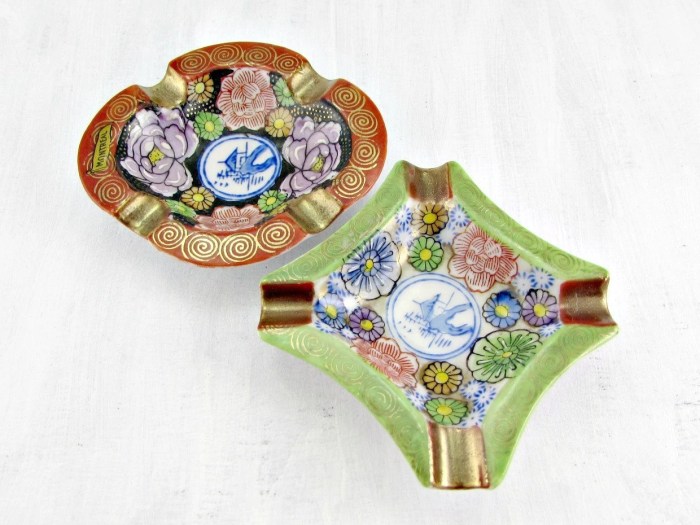
From humble beginnings to sophisticated works of art, Japanese ashtrays have mirrored the nation’s evolving aesthetic sensibilities and cultural shifts. Their design, reflecting a deep connection to tradition and materials, provides a fascinating glimpse into Japan’s artistic history. Their evolution demonstrates the interplay of craftsmanship, cultural values, and the influence of broader artistic movements.The earliest Japanese ashtrays, predating the Edo period (1603-1868), were often simple, functional objects made from readily available materials.
These early forms often incorporated elements of the surrounding environment, drawing inspiration from nature’s patterns and forms. The shift towards more elaborate designs coincided with the rise of the tea ceremony and other artistic pursuits.
Early Period Ashtrays (Pre-Edo Period)
These early forms, largely utilitarian, were crafted from materials like wood, ceramic, or even stone. Design motifs were often minimalistic, inspired by natural elements like rocks or branches. These pieces, while simple, showcase a strong connection to the environment and an appreciation for natural forms. The emphasis was on practicality, with aesthetics playing a supporting role.
Edo Period (1603-1868) Ashtrays
The Edo period witnessed a significant flourishing of Japanese art and culture. Ashtrays reflected this, transitioning from simple functional objects to more decorative items. The rise of the merchant class and the increased availability of materials like porcelain and lacquerware led to a diversification of styles. Ashtrays often incorporated intricate patterns and designs, reflecting the growing appreciation for aesthetic refinement.
The influence of tea ceremony aesthetics was also apparent in the development of smaller, more elegant forms.
Meiji and Taisho Periods (1868-1926) Ashtrays
The Meiji and Taisho periods marked a period of modernization and Western influence. This is reflected in Japanese ashtrays, with a greater emphasis on Western design principles and motifs. While traditional techniques were still employed, a fusion of East and West emerged, evident in the incorporation of European design elements into Japanese aesthetics. This fusion is observable in the use of new materials and techniques, like metalwork, which were inspired by Western designs.
Showa Period (1926-1989) Ashtrays
The Showa period saw the rise of new materials and technologies, which impacted ashtray design. Japanese craftsmanship continued to be highly valued, yet designs incorporated new industrial materials and manufacturing processes. The impact of war and economic hardship influenced design choices, sometimes leading to a more austere aesthetic, although this period also saw a renewed interest in traditional forms, a return to roots in the face of changing times.
Heisei and Reiwa Periods (1989-Present) Ashtrays
Contemporary Japanese ashtrays reflect the continuing evolution of design and aesthetics. Modern materials and manufacturing techniques are often integrated with traditional craft skills. This results in a unique blend of traditional and contemporary styles, creating ashtrays that are both visually appealing and functionally practical. Ashtrays often incorporate innovative design elements and incorporate elements of minimalist or contemporary art movements.
A key feature of this period is the increasing emphasis on sustainability and eco-friendly materials.
Comparative Analysis of Japanese Ashtray Aesthetics
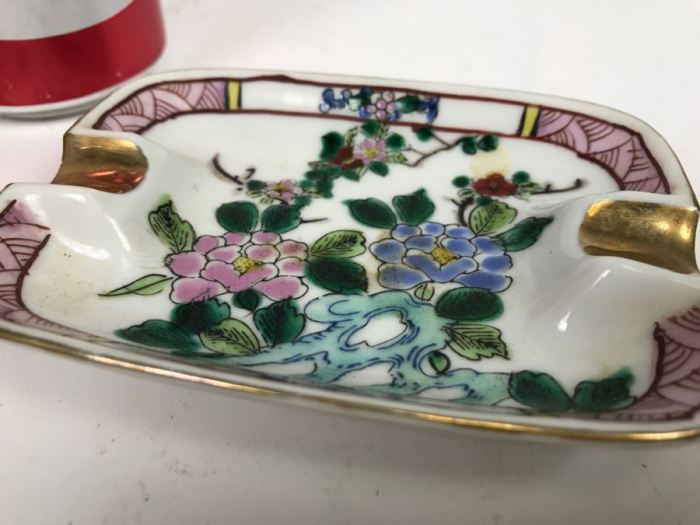
Japanese ashtrays, often imbued with a profound sense of minimalism and cultural resonance, stand apart in the realm of decorative objects. Their distinctive aesthetics, rooted in centuries of artistic tradition, offer a captivating lens through which to explore the intersection of design, craftsmanship, and cultural symbolism. This analysis delves into the unique characteristics that distinguish Japanese ashtrays from those of other cultures, highlighting the subtle yet profound differences in design principles and symbolic meanings.The comparative analysis of Japanese ashtray aesthetics reveals a fascinating interplay between traditional artistic principles and modern design sensibilities.
The unique approach to materials, form, and symbolism in Japanese ashtrays sets them apart from other cultural expressions, creating a distinctive visual vocabulary that resonates with a profound sense of harmony and balance. This exploration underscores the importance of considering cultural context when appreciating the nuances of design and aesthetics.
Comparison of Design Principles
Japanese design principles, often characterized by a focus on natural forms, simplicity, and understated elegance, significantly influence the aesthetic of Japanese ashtrays. This approach contrasts with other cultures, where ornamentation and elaborate embellishments might be more prominent. For instance, while European ashtrays might feature ornate engravings or intricate metalwork, Japanese counterparts often favor smooth, unadorned surfaces, emphasizing the inherent beauty of the material.
The use of negative space and asymmetry further contributes to the unique aesthetic, which often evokes a sense of tranquility and serenity.
Comparison of Symbolic Meanings
The symbolic meanings embedded within Japanese ashtrays often reflect the profound cultural emphasis on harmony, balance, and respect for nature. For example, the use of natural materials, like bamboo or wood, can symbolize the connection to the natural world, while minimalist forms might represent a rejection of excess. In contrast, ashtrays from other cultures might feature symbolic imagery relating to different themes, such as religious iconography or historical events.
These diverse interpretations highlight the varied ways in which objects can be imbued with cultural significance.
Comparative Analysis of Materials and Techniques
The choice of materials and techniques in crafting Japanese ashtrays often reflects a deep understanding of the material’s properties and potential. The use of ceramics, lacquerware, or metal, often accompanied by intricate techniques like inlaying or carving, creates objects of enduring beauty and artistic merit. This contrasts with the approach taken in other cultures, where different materials might be favored for specific symbolic or practical reasons.
For example, the use of precious metals in European ashtrays often symbolizes wealth and status, whereas Japanese artisans might favor less ostentatious materials to achieve a more refined aesthetic.
Comparative Analysis of Use in Different Cultural Contexts
Japanese ashtrays, like other objects in the Japanese aesthetic tradition, are often designed for integration into a broader cultural context. They are intended to be functional yet also visually appealing, harmonizing with the surrounding environment. In contrast, the use of ashtrays in other cultures might differ significantly, perhaps emphasizing their role as a status symbol or a marker of social standing.
Understanding the specific function and cultural context in which the ashtray is used is essential to fully appreciating its aesthetic qualities.
Summary Table: Comparative Analysis of Japanese Ashtray Aesthetics
| Feature | Japanese Ashtray Aesthetics | Other Cultural Aesthetics (e.g., European) |
|---|---|---|
| Design Principles | Emphasis on minimalism, natural forms, asymmetry, and negative space; often unadorned surfaces | Emphasis on ornamentation, intricate embellishments, symmetry, and elaborate details |
| Symbolic Meanings | Connection to nature, harmony, balance, respect for simplicity | Religious iconography, historical events, social status, or cultural narratives |
| Materials & Techniques | Natural materials (wood, bamboo, ceramics), lacquerware, metal; intricate techniques like inlaying, carving | Precious metals, glass, enamel; techniques like engraving, embossing |
| Cultural Context | Integration into the broader aesthetic tradition; emphasis on functionality and visual harmony | Potential emphasis on status, social standing, or symbolic display |
Final Review
In conclusion, Japanese ashtrays offer a compelling window into a culture deeply rooted in aesthetics. Their minimalist designs, often incorporating symbolic motifs, reflect a philosophy that values harmony and tranquility. The careful consideration of materials, craftsmanship, and cultural context brings these objects to life, making them more than just receptacles for ashes, but rather captivating works of art.
Their influence extends beyond the realm of the ashtray, echoing in contemporary design.
